24h Vol: $16,558,382,560
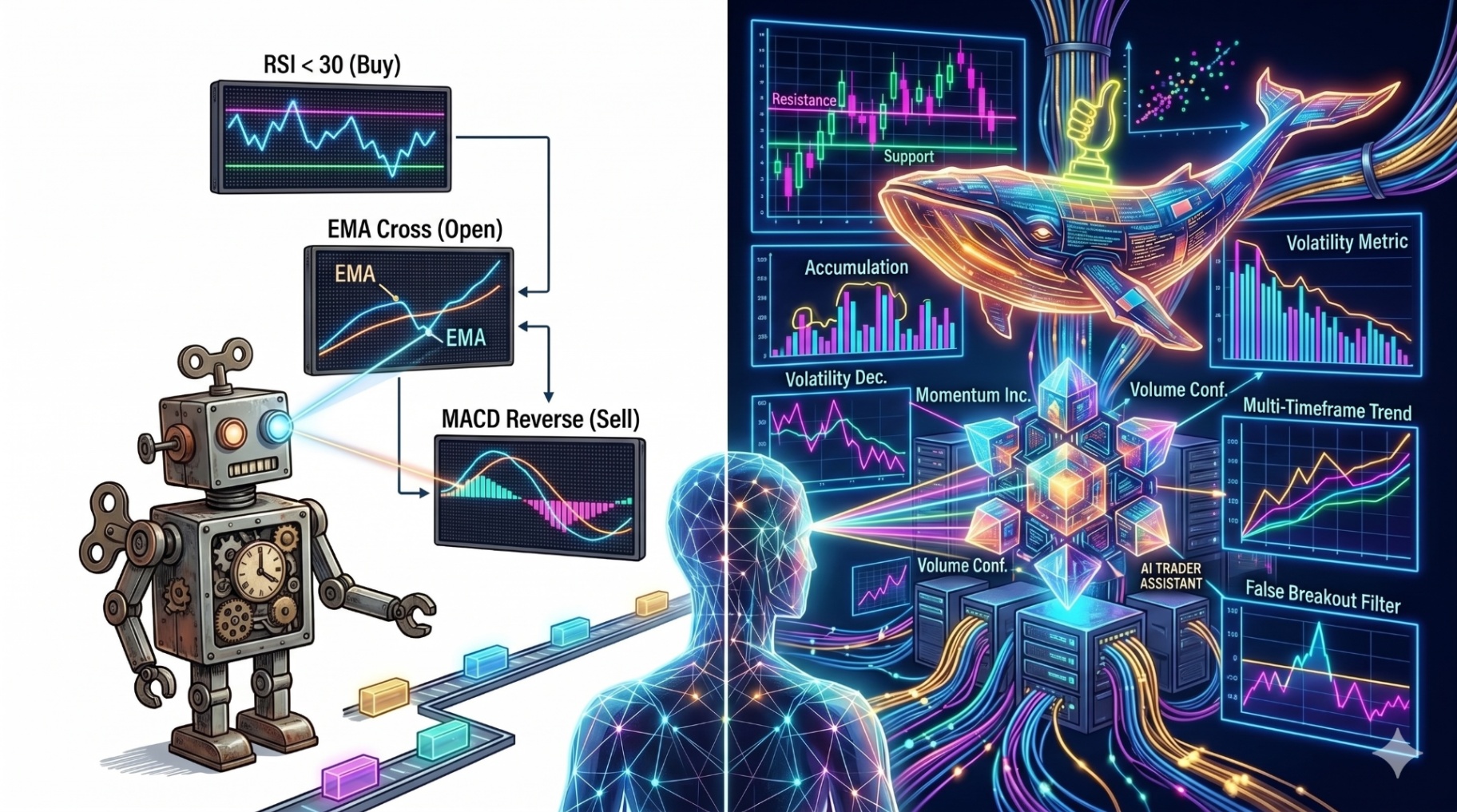
Hermes Insights (AI)
Updated: 01:03 PM🔵 USA Opening: Bullish Momentum Continues
Headline: BTCUSDT Surges Past $77,000, Targeting New Highs
Key Fact: Bitcoin is currently trading at $77,992, up 1.512% and demonstrating strong upward momentum following the US session open.
Hermes Verdict: The recent surge in BTCUSDT above $77,000 signifies robust buying pressure entering the market, likely fueled by positive sentiment from the US trading session. This upward trajectory suggests that the previous consolidation phases have successfully set the stage for further price discovery. The increasing volume accompanying this move further validates the strength of the bullish trend, indicating that institutional and retail investors are actively participating and pushing the price higher. We are observing a potential breakout from prior resistance levels, which, if sustained, could lead to significant upside.
The current price action indicates a shift in market sentiment towards a more optimistic outlook for Bitcoin. While the Asian session showed signs of consolidation, the US open has clearly broken that pattern, suggesting a renewed appetite for risk in the crypto markets. Traders should remain vigilant for potential profit-taking near key psychological levels, but the overall trend appears to be in favor of the bulls. Continued strength above $77,000 will be crucial for maintaining this momentum and challenging higher price points.
4-6h Forecast: $78,500 - $79,200
Sentiment: Bullish
Market Data
Market Cap
$1.57T
FDV
$1.57T
Circulating Supply
20.09M BTC
Max Supply
21.00M BTC
Remaining to be issued: 913,938 BTC
AIHermesPro about Bitcoin
Asset Profile: BTC (May 2026)
1. INTRODUCTION
💡 Verdict: Bitcoin (BTC) remains the foundational "digital gold" asset and a unique decentralized monetary standard, having evolved from a P2P payment system into a base layer (Layer 0) for scalable financial innovations and DeFi integrations.
---
2. CORE OVERVIEW
1. Consensus Mechanism
Bitcoin operates on the Proof-of-Work (PoW) consensus algorithm using SHA-256 hashing. Unlike modern networks prioritizing high TPS via BFT frameworks, Bitcoin emphasizes security and censorship resistance through the Nakamoto Consensus. As of 2026, the network maintains ledger continuity through a global distribution of mining power, ensuring a "single consistent and honest ledger." Architecturally, Bitcoin acts as the settlement layer upon which L2 protocols (e.g., Stacks) are deployed to provide smart contract functionality without compromising the security of the main chain.
2. Supply & Emission
BTC supply is strictly capped by the protocol at 21,000,000 coins. It follows a deflationary model: every 210,000 blocks (approx. 4 years), a "halving" occurs, reducing miner rewards. Post-2024 halving, the block reward is 3.125 BTC, continuously slowing supply inflation. The distribution is arguably the most equitable in the industry (fair launch), with no pre-mine or privileged allocations, rendering it resilient against "securities" regulatory classifications.
3. Utility & Role
BTC serves multiple roles:
4. Technology & Audit
Bitcoin is an Open Source project (MIT License). Activity in the Bitcoin Core GitHub repository remains the industry gold standard for security and transparency. Audits are conducted not by a central authority, but through extensive peer-review by the global developer community and firms like CertiK, which elevate Bitcoin ecosystem protection. The integration of AI-driven security analysis tools in 2025–2026 has automated vulnerability detection for L2 solutions while preserving the immutable core.
5. Ecosystem & Support
BTC enjoys support from all systemically important financial institutions (BlackRock, Fidelity). Liquidity is global, present on 100% of top CEXs and deeply integrated into DEXs via wrapped assets (WBTC, tBTC). Key ecosystem pillars include:
6. Forecast & Risks
Q3–Q4 2026: Increased activity in L2 scaling solutions is expected to reduce transaction costs further. Potential protocol upgrades focused on privacy (Taproot-based) and throughput are on the horizon.
Potential: BTC will continue to solidify its status as the premier institutional reserve asset.
Risks:
Disclaimer: This information is not an individual investment recommendation or financial advice. Our platform demonstrates the possibilities of applying AI to automate a trader's analytical work.*